
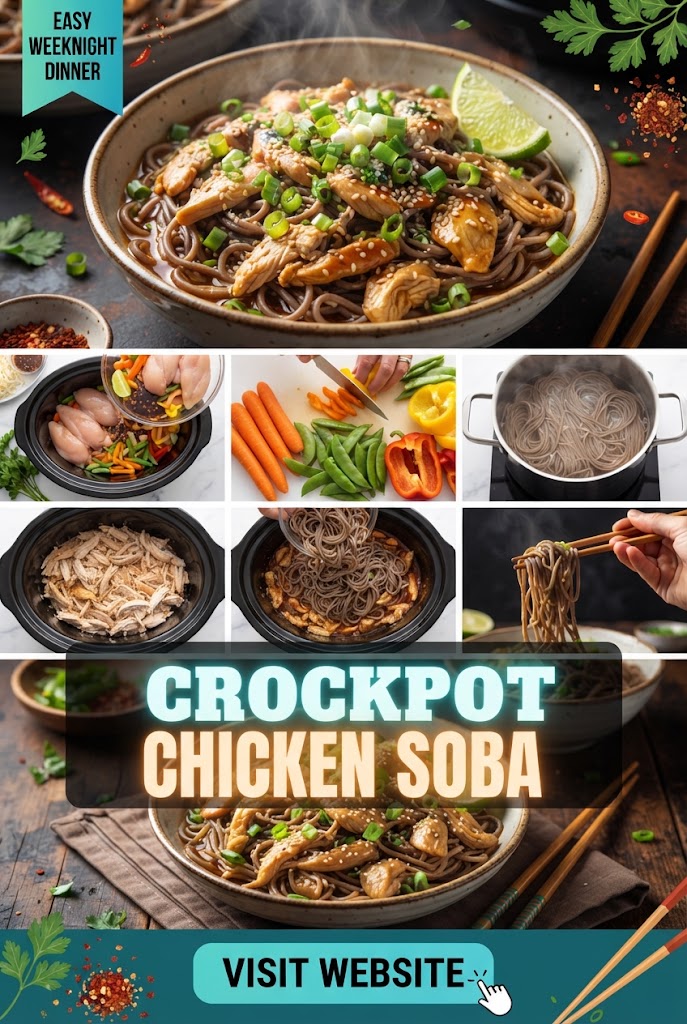
Crockpot Chicken Soba
In the fast-paced world of modern living, the slow cooker—or Crockpot—has become a beacon of hope for busy families and health-conscious professionals alike. While we often associate the Crockpot with heavy beef stews, pot roasts, and chili, there is a whole world of light, vibrant, and aromatically complex Asian-inspired dishes waiting to be discovered. At the forefront of this culinary movement is Crockpot Chicken Soba.
This dish is a perfect marriage of convenience and sophistication. It combines the lean, protein-packed goodness of chicken with the earthy, nutty profile of Japanese buckwheat noodles (soba), all tied together by a savory, umami-rich broth that develops over hours of gentle simmering. Whether you are a meal-prep enthusiast or someone looking to introduce more wholesome ingredients into your diet without spending hours over a hot stove, this guide is your definitive resource for mastering Crockpot Chicken Soba.
The Magic of Soba: Why Buckwheat?
Before we dive into the mechanics of the recipe, it is essential to understand the star of the show: the Soba noodle. Unlike traditional Italian pasta made from durum wheat or standard ramen noodles made from refined flour, Soba is made primarily from buckwheat flour.
What is Buckwheat?
Despite its name, buckwheat is not a type of wheat; it is actually a “pseudocereal”—a seed that is consumed like a grain but is botanically related to rhubarb and sorrel. This makes it naturally gluten-free (though many commercial soba noodles contain a percentage of wheat flour for elasticity, so always check the label if you have a gluten intolerance).
Nutritional Benefits of Soba
- High Fiber: Soba noodles provide a significant amount of dietary fiber, which aids in digestion and helps maintain steady blood sugar levels.
- Protein Power: Buckwheat contains all nine essential amino acids, making it a complete protein source.
- Manganese and Magnesium: These noodles are rich in minerals that support bone health and metabolic function.
- Low Glycemic Index: Compared to white pasta, Soba has a lower GI, meaning it provides sustained energy without the “sugar crash.”
Why Use a Crockpot for Chicken Soba?
The traditional way of making Soba dishes often involves quick stir-frying or serving cold with a dipping sauce. However, using a slow cooker transforms the experience in three key ways:
- Flavor Infusion: In a Crockpot, the chicken doesn’t just sit in the sauce; it absorbs the essence of the ginger, garlic, and soy. The connective tissues in the chicken break down slowly, resulting in a melt-in-your-mouth texture that is impossible to achieve with high-heat sautéing.
- Effortless Prep: You spend 15 minutes prepping in the morning, and you come home to a house that smells like a gourmet Japanese izakaya.
- One-Pot Harmony: While the noodles are cooked separately at the very end to maintain their texture, the bulk of the meal—the protein, the aromatics, and the vegetables—all develop their character in one vessel.
Ingredients: The Anatomy of the Perfect Broth
The secret to a world-class Crockpot Chicken Soba lies in the balance of the liquid base. You want a harmony of salty, sweet, acidic, and savory (umami).
The Protein
- Chicken Thighs: For the slow cooker, boneless, skinless thighs are superior to breasts. They contain more fat and connective tissue, which prevents them from drying out during a 6-to-8-hour cook cycle.
- Chicken Breasts: If you prefer a leaner option, use breasts but reduce the cooking time to avoid a “stringy” texture.
The Aromatics
- Fresh Ginger: Never use powdered ginger here. Fresh, grated ginger provides a zingy heat that cuts through the richness of the soy.
- Garlic: Use at least four to five cloves, smashed or minced, to create a robust base.
- Green Onions (Scallions): Use the white parts for the slow cooker and save the green parts for a fresh garnish.
The Liquid Gold
- Low-Sodium Soy Sauce: This provides the salt and the deep color. Using low-sodium allows you to control the seasoning more precisely.
- Rice Vinegar: This adds a necessary brightness and acidity to balance the savory notes.
- Mirin: A Japanese sweet rice wine that adds a subtle luster and sweetness.
- Sesame Oil: A little goes a long way. Use toasted sesame oil for an intoxicating nutty aroma.
- Chicken Bone Broth: Using a high-quality bone broth instead of plain water adds collagen and depth.
The Vegetables
- Shiitake Mushrooms: These are umami bombs. They soak up the broth and provide a meaty texture.
- Bok Choy: Add this in the last 30 minutes of cooking to keep a slight crunch.
- Carrots: Julienne or matchstick carrots add natural sweetness and a pop of color.
- Edamame: Shelled edamame adds protein and a beautiful green hue.
Step-by-Step Cooking Guide
Phase 1: The Searing (Optional but Highly Recommended)
While you can simply toss everything into the Crockpot, taking five minutes to sear the chicken thighs in a skillet with a teaspoon of oil will elevate the dish. This creates the “Maillard reaction,” developing complex flavors and a better color on the meat.
Phase 2: Loading the Crockpot
- Layer the Bottom: Place your sliced onions, garlic, ginger, and mushrooms at the bottom of the slow cooker. These will act as a “rack” for the chicken.
- Add the Chicken: Place the seared (or raw) chicken on top of the aromatics.
- Pour the Sauce: In a small bowl, whisk together the soy sauce, mirin, rice vinegar, sesame oil, and chicken broth. Pour this mixture over the chicken.
- Set and Forget: Cover and cook on Low for 6-7 hours or on High for 3-4 hours.
Phase 3: Shredding and Veggies
About 30 minutes before you are ready to serve:
- Remove the chicken thighs and shred them using two forks. They should fall apart effortlessly.
- Return the shredded chicken to the pot.
- Stir in your “quick-cook” vegetables: sliced bok choy, snow peas, or julienned carrots.
Phase 4: The Soba Noodle Technique
Crucial Tip: Never cook Soba noodles directly in the Crockpot for the full duration. They will turn into a gummy, starchy mess.
- Boil a separate pot of water.
- Cook the Soba noodles according to the package instructions (usually 4-6 minutes).
- The Rinse: This is the most important step in Japanese noodle cooking. Once drained, rinse the Soba under cold running water while gently “massaging” them with your hands. This removes the excess surface starch and prevents them from sticking together.
- Add the cooked, rinsed noodles to individual bowls and ladle the hot Crockpot chicken and broth over them.
Pro-Tips for the Best Texture and Flavor
Avoiding the “Mush” Factor
The biggest complaint with slow cooker noodle dishes is sogginess. By cooking the Soba separately and adding them at the end, you preserve the “al dente” bite of the buckwheat. If you are meal prepping, store the noodles and the broth in separate containers.
Balancing the Flavors
Taste your broth right before serving.
- Too salty? Add a splash of water or a squeeze of lime juice.
- Too bland? Add a teaspoon of fish sauce or more grated ginger.
- Need heat? Stir in a tablespoon of Sriracha or Japanese chili oil (Rayu).
The “Umami Boost”
If you want to take the flavor to a professional level, add a small piece of Kombu (dried kelp) to the slow cooker during the first three hours of cooking. Remove it before serving. This is the secret to authentic Japanese dashi broth.
Customizing Your Crockpot Chicken Soba
This recipe is incredibly versatile. Here are several variations to suit different palates:
1. The Spicy Szechuan Twist
Add a tablespoon of chili bean paste (Doubanjiang) and a teaspoon of crushed Sichuan peppercorns to the broth. The numbing heat of the peppercorns pairs beautifully with the nuttiness of the Soba.
2. The Creamy Peanut Soba
Whisk 1/4 cup of creamy peanut butter into the broth mixture before pouring it into the Crockpot. This creates a rich, Satay-style sauce that is incredibly comforting.
3. The Vegan “Chicken” Soba
Replace the chicken with extra-firm tofu cubes or soy curls. Use vegetable broth instead of chicken broth. Tofu absorbs the flavors wonderfully in a slow cooker.
4. The Winter Warmth Version
Add star anise and a cinnamon stick to the broth. These warming spices are common in Vietnamese Pho and Chinese five-spice dishes, providing a cozy, aromatic depth that is perfect for cold nights.
Health and Nutrition: Why This Recipe Wins
In an era of processed foods and “hidden” sugars, Crockpot Chicken Soba stands out as a genuinely healthy option.
- Low Fat: By using skinless chicken and minimal oil, the fat content remains low, focusing instead on healthy fats from sesame seeds.
- High Protein: A single serving provides roughly 30-40 grams of protein, essential for muscle repair and satiety.
- Mineral Rich: The inclusion of bok choy and mushrooms provides a high dose of Vitamin K, Vitamin C, and Selenium.
- Gut Health: Ginger is a natural digestive aid, and if you use a naturally fermented soy sauce (Tamari), you’re adding beneficial components to your meal.
Meal Prepping and Storage Instructions
Crockpot Chicken Soba is a meal-prepper’s dream, but it requires a specific strategy to remain delicious throughout the week.
In the Fridge
Store the shredded chicken and broth in one large airtight container. Store the cooked Soba noodles in a separate container, tossed in a teaspoon of sesame oil to prevent sticking.
- Shelf Life: 4 days.
- Reheating: Microwave the chicken and broth until steaming hot, then drop the cold noodles in. The heat from the broth will perfectly “revive” the noodles without overcooking them.
In the Freezer
You can freeze the chicken and broth base for up to 3 months. However, do not freeze the cooked Soba noodles. They lose their structural integrity when thawed. For a quick meal, thaw the broth, heat it up, and boil a fresh batch of Soba noodles on the spot.
Serving Suggestions: Completing the Meal
To turn your Crockpot Chicken Soba into a full Japanese-inspired feast, consider these pairings:
Garnishes (The “Finishing Touches”)
- Toasted Sesame Seeds: For crunch.
- Shredded Nori: Adds a hint of the sea.
- Pickled Ginger: To cleanse the palate between bites.
- Radish Sprouts (Kaiware): For a peppery bite.
- Soft Boiled Egg: An “Ajitama” (ramen egg) with a jammy yolk adds incredible richness.
Side Dishes
- Smashed Cucumber Salad: A refreshing, vinegary salad with garlic and chili flakes.
- Edamame with Sea Salt: A simple, high-protein appetizer.
- Gyoza: Pan-fried dumplings provide a nice textural contrast to the soft noodles.
Drink Pairings
- Green Tea (Sencha): The grassy notes of green tea complement the buckwheat.
- Sake: A dry (Junmai) sake cuts through the saltiness of the soy.
- Japanese Lager: A crisp Asahi or Sapporo is the perfect palate cleanser.
Frequently Asked Questions (FAQs)
Can I use Ramen noodles instead of Soba?
Yes, you can. However, keep in mind that ramen noodles are made from wheat and alkaline water, giving them a springier, saltier profile. Soba is much earthier. If using ramen, follow the same “cook separately” rule.
Is Soba gluten-free?
Pure Soba (100% buckwheat) is gluten-free. However, many brands found in standard grocery stores use a mix of 80% buckwheat and 20% wheat flour (known as Ni-hachi soba). If you are Celiac, look specifically for “100% Buckwheat” or “Ju-wari” Soba.
Can I put frozen chicken in the Crockpot?
While some people do it, the USDA recommends thawing chicken before putting it in a slow cooker. Frozen meat takes longer to reach a safe internal temperature, potentially allowing bacteria to grow in the “danger zone.” For the best texture and safety, thaw your chicken in the fridge overnight.
Why is my broth cloudy?
Cloudiness usually comes from the starch in the noodles or the fat from the chicken. If you rinse your Soba thoroughly and trim the excess fat from your chicken thighs, your broth will remain relatively clear and beautiful.
The Cultural Significance of Soba
In Japan, Soba is more than just a noodle; it is a symbol of longevity and resilience. “Toshikoshi Soba” (Year-Crossing Noodle) is traditionally eaten on New Year’s Eve. The long, thin noodles represent a long life, while the fact that they are easy to bite through symbolizes “cutting off” the hardships of the past year.
By bringing Crockpot Chicken Soba into your home, you aren’t just making a convenient meal; you are participating in a culinary tradition that prizes balance, health, and the slow development of flavor.
Troubleshooting Common Issues
“My chicken is dry despite using a Crockpot.”
This usually happens if the chicken was cooked on “High” for too long. Slow cookers vary in temperature. If your model runs hot, stick to the “Low” setting. Also, ensure the chicken is mostly submerged in the liquid.
“The ginger flavor is too overpowering.”
Ginger gets stronger the longer it cooks. If you are sensitive to it, use larger slices of ginger (medallions) instead of grating it. This allows you to fish the ginger out before serving, leaving behind a subtle aroma rather than an intense spice.
“The sauce is too thin.”
Traditional Soba broth is supposed to be light, like a consommé. However, if you prefer a thicker, gravy-like sauce, whisk 1 tablespoon of cornstarch with 2 tablespoons of cold water (a slurry) and stir it into the Crockpot 20 minutes before serving.
Final Thoughts: A New Weeknight Staple
Crockpot Chicken Soba is the ultimate “set it and forget it” meal that doesn’t feel like a compromise. It avoids the heavy creams and cheeses found in many slow cooker recipes, offering instead a vibrant, nutrient-dense bowl that leaves you feeling energized rather than sluggish.
The earthy scent of buckwheat, the zing of fresh ginger, and the tender, soy-infused chicken create a sensory experience that rivals any takeout. As you become more comfortable with the base recipe, don’t be afraid to experiment with different mushrooms, seasonal greens, or spice levels.
In the intersection of Japanese tradition and American convenience, you find a dish that is truly timeless. Dust off your Crockpot, grab a pack of Soba, and prepare to elevate your weeknight dinner game to a whole new level of deliciousness.
Recipe Summary for Quick Reference
- Prep time: 15 minutes
- Cook time: 6 hours (Low) or 3 hours (High)
- Servings: 4-6
- Key Equipment: 6-quart Slow Cooker, Large Pot (for noodles).
Core Ingredients Checklist:
- 1.5 lbs Boneless Skinless Chicken Thighs
- 8 oz Soba Noodles (Buckwheat)
- 3 cups Chicken Bone Broth
- 1/2 cup Low-Sodium Soy Sauce
- 2 tbsp Mirin
- 1 tbsp Rice Vinegar
- 1 tbsp Toasted Sesame Oil
- 2 tbsp Fresh Grated Ginger
- 4 cloves Garlic, minced
- 2 cups Sliced Shiitake Mushrooms
- 2 heads Baby Bok Choy, chopped
Master Method:
- Place aromatics and mushrooms in the Crockpot.
- Top with chicken and the whisked sauce/broth mixture.
- Slow cook on Low for 6 hours.
- Shred chicken and add greens for the last 30 minutes.
- Boil, drain, and cold-rinse Soba noodles separately.
- Combine in a bowl, garnish, and enjoy.
This Crockpot Chicken Soba is more than just a meal; it’s a testament to how simple ingredients, given enough time and the right technique, can transform into something extraordinary. Whether you’re feeding a family of four or looking for the perfect healthy meal prep for the week ahead, this recipe is guaranteed to become a recurring favorite in your kitchen.