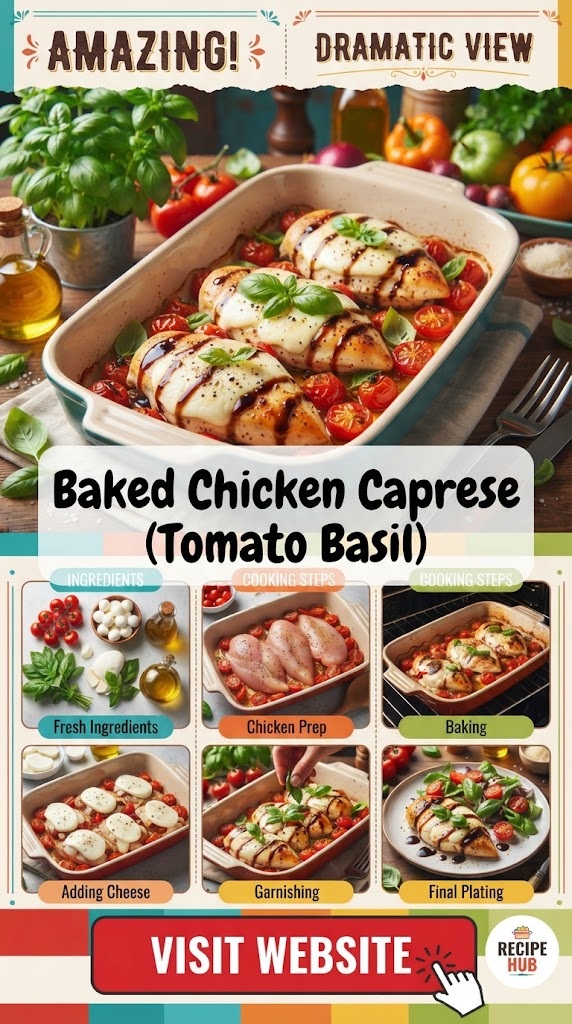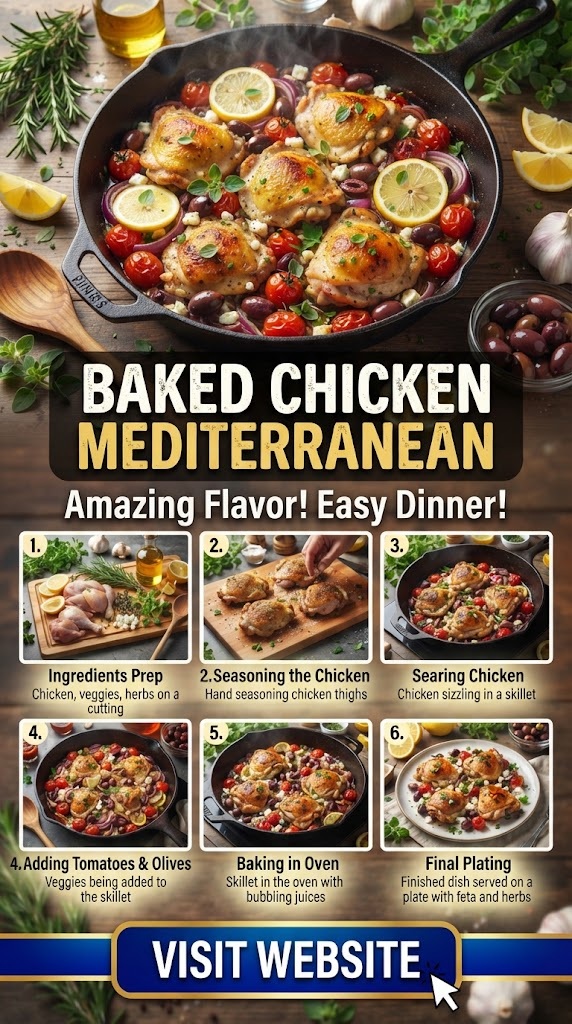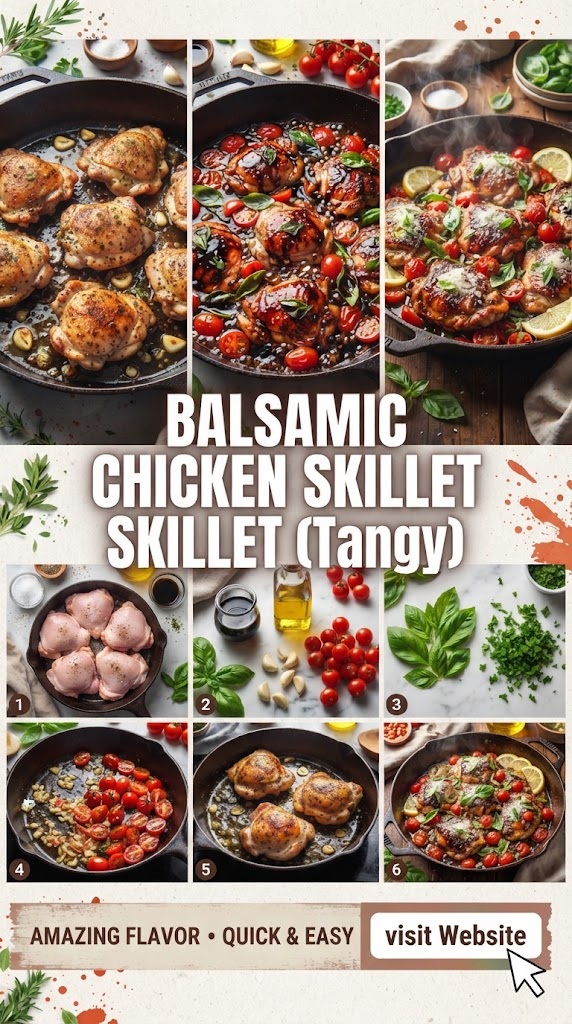
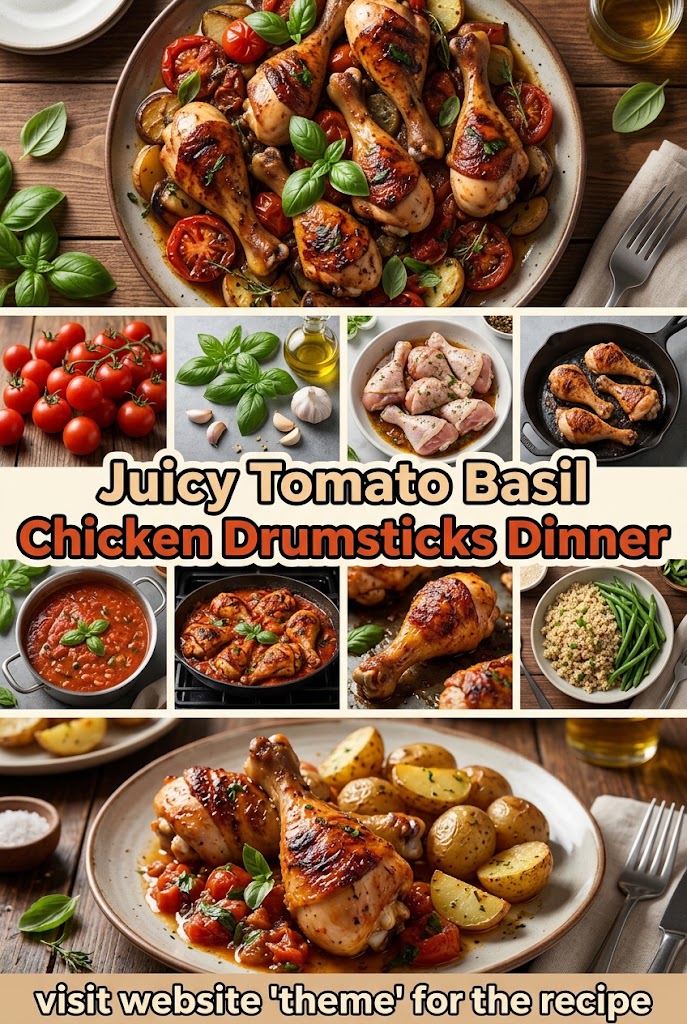
Juicy Tomato Basil Chicken Drumsticks Dinner
There is a specific kind of magic that happens when high-quality poultry meets the sun-drenched flavors of the Mediterranean. When we talk about comfort food, our minds often drift to heavy creams or starchy pastas, but the true pinnacle of home-cooked satisfaction lies in the Juicy Tomato Basil Chicken Drumsticks Dinner. This dish is a symphony of textures: the crispy, golden-brown skin of the chicken, the velvety richness of a reduced tomato sauce, and the sharp, aromatic punch of fresh basil.
In this comprehensive guide, we are going to deconstruct this classic recipe, exploring why the drumstick is the superior cut for flavor, how to achieve the perfect sear, and the science behind the iconic tomato-basil pairing. Whether you are a seasoned home chef or a weeknight warrior looking for a reliable family meal, this deep dive will provide everything you need to master this succulent dish.
Why the Chicken Drumstick is the Undisputed King of the Plate
When it comes to chicken, the breast often gets all the glory in health circles, but the drumstick is where the flavor lives. To understand why this recipe works so well, we first have to appreciate the anatomy of the drumstick.
The Benefit of Dark Meat
Chicken drumsticks are composed of “dark meat.” Unlike the lean, quick-drying white meat of the breast, dark meat is rich in myoglobin and contains a higher fat content. This fat isn’t just “extra weight”—it is a vehicle for flavor. As the drumsticks simmer in a tomato-basil bath, the intramuscular fat renders out, self-basting the meat from the inside out. This ensures that even if you overcook them slightly, the meat remains tender and juicy.
Collagen and Tenderness
Drumsticks are rich in connective tissue and collagen. When cooked low and slow—or even braised in a sauce—this collagen breaks down into gelatin. This process does two things: it gives the meat a “fall-off-the-bone” texture and adds a silky body to your tomato sauce that you simply cannot achieve with chicken breasts.
Economic and Practical Appeal
In an era of rising grocery costs, the drumstick remains one of the most affordable cuts of meat available in the USA. Choosing drumsticks allows you to invest more in high-quality secondary ingredients, like organic San Marzano tomatoes or premium extra virgin olive oil, without breaking the budget.
The Flavor Profile: A Deep Dive into Tomato and Basil
The pairing of tomato and basil is a culinary archetype. It is the foundation of Neapolitan cuisine and a staple of the “Mediterranean Diet,” widely regarded as one of the healthiest and most flavorful eating patterns in the world.
The Science of Umami
Tomatoes are naturally high in glutamates, the compounds responsible for the “umami” or savory fifth taste. When tomatoes are cooked down, these flavors concentrate. By searing chicken drumsticks in the same pan, you create a layer of “fond”—the caramelized brown bits on the bottom of the pan—which, when deglazed with tomato juices, creates an explosion of savory depth.
The Role of Fresh Basil
Basil is more than just a garnish. It contains essential oils like eugenol, which provides a clove-like aroma, and linalool, which offers floral notes. When added at the end of the cooking process, basil cuts through the acidity of the tomatoes and the richness of the chicken fat, providing a refreshing counterpoint that brightens the entire palate.
The Essential Ingredients List
To create a world-class Tomato Basil Chicken Drumsticks dinner, the quality of your ingredients is paramount. Here is what you will need:
- Chicken Drumsticks: 8 to 10 large pieces. Look for skin-on, bone-in drumsticks for maximum moisture retention.
- Tomatoes: A combination of canned crushed tomatoes (preferably San Marzano) and fresh cherry tomatoes. The canned provide the base, while the fresh add bursts of sweetness.
- Fresh Basil: One large bunch. You will use the stems for the simmer and the leaves for the finish.
- Garlic: 6 to 8 cloves. This recipe demands a bold garlic presence.
- Shallots or Yellow Onion: One large shallot, finely minced, to add a subtle sweetness.
- Extra Virgin Olive Oil: Use a high-quality oil with a high smoke point for searing.
- Dry White Wine: (Optional but recommended) A splash of Sauvignon Blanc or Pinot Grigio to deglaze the pan.
- Balsamic Vinegar: A teaspoon to balance the acidity of the tomatoes.
- Seasonings: Kosher salt, freshly cracked black pepper, and a pinch of red pepper flakes for a subtle heat.
Step-by-Step Cooking Instructions: The Professional Method
Achieving “juiciness” isn’t an accident; it’s a result of technique. Follow these steps to ensure your chicken is perfectly cooked every time.
Step 1: The Preparation
Remove your chicken drumsticks from the refrigerator at least 20 minutes before cooking. Bringing the meat to room temperature ensures even cooking. Pat the skin completely dry with paper towels. Pro Tip: Moisture is the enemy of a good sear. If the skin is wet, the chicken will steam rather than brown.
Season the drumsticks generously with kosher salt and black pepper on all sides.
Step 2: The Perfect Sear
Heat a large heavy-bottomed skillet or Dutch oven over medium-high heat. Add two tablespoons of olive oil. Once the oil is shimmering (but not smoking), add the drumsticks in a single layer. Do not crowd the pan; work in batches if necessary.
Sear the drumsticks for 5-7 minutes, turning occasionally, until the skin is a deep, golden brown and crispy. Remove the chicken from the pan and set it aside on a plate. The chicken will not be cooked through at this point; we are only building flavor.
Step 3: Building the Aromatics
Lower the heat to medium. In the same pan (now filled with delicious chicken fat), add your minced shallots and cherry tomatoes. Cook for 3-4 minutes until the shallots are translucent and the cherry tomatoes begin to burst. Add the minced garlic and red pepper flakes, sautéing for just 60 seconds until fragrant.
Step 4: Deglazing and the Sauce Base
Pour in about 1/2 cup of white wine (or chicken stock). Use a wooden spoon to scrape up all the browned bits (the fond) from the bottom of the pan. This is where the magic happens.
Once the liquid has reduced by half, stir in the crushed tomatoes and the balsamic vinegar. Add the basil stems (tied with kitchen twine) into the sauce to infuse it with herbal notes as it simmers.
Step 5: The Braise
Nestle the seared chicken drumsticks back into the tomato sauce, making sure the crispy skin remains above the liquid line if you want to maintain some crunch. Reduce the heat to low, cover the pan partially, and let it simmer for 25 to 30 minutes.
Step 6: The Finishing Touch
Check the internal temperature of the chicken with a meat thermometer. For drumsticks, an internal temp of 175°F (80°C) is ideal. While 165°F is the safety standard, the extra ten degrees allow the connective tissue to fully melt, resulting in a more tender bite.
Remove from heat. Discard the basil stems. Stir in a handful of freshly torn basil leaves and a final drizzle of olive oil.
Variations to Elevate the Dish
While the classic Tomato Basil version is perfect, you can adapt this recipe to suit different dietary needs or flavor preferences.
1. The Creamy Tuscan Variation
If you want a richer, more indulgent sauce, stir in 1/2 cup of heavy cream and a handful of baby spinach during the last 5 minutes of cooking. This creates a “Marry Me Chicken” style sauce that is irresistible over pasta.
2. The Spicy Arrabbiata Style
For those who enjoy a kick, increase the red pepper flakes to one tablespoon and add sliced Calabrian chilis. This transforms the dish from a mellow Mediterranean meal into a fiery Italian feast.
3. The Roasted Veggie Powerhouse
Add sliced bell peppers, zucchini, and kalamata olives to the pan along with the tomatoes. This turns the meal into a “One-Pan Wonder,” incorporating a full serving of vegetables into the braise.
What to Serve with Tomato Basil Chicken
Selecting the right side dish is crucial for balancing the acidity of the tomatoes and soaking up the delicious sauce.
Polenta or Grits
Creamy, buttery polenta is perhaps the best companion for this dish. Its mild corn flavor and smooth texture act as a sponge for the tomato-basil reduction.
Orzo or Short Pasta
Orzo is a rice-shaped pasta that works beautifully here. Alternatively, choose a pasta with ridges (like Rigatoni or Penne) that can “hold” the sauce. Toss the pasta directly in the pan after removing the chicken for an authentic Italian presentation.
Crusty Artisan Bread
Sometimes, simplicity is best. A warm loaf of sourdough or a French baguette is all you need to “fare la scarpetta”—the Italian tradition of mopping up the remaining sauce with bread.
Light Greens
To balance the richness, serve the chicken alongside a crisp Arugula salad with a lemon-vinaigrette or a side of blanched green beans toasted with almond slivers.
Alternative Cooking Methods: Modern Convenience
Not everyone has time to stand over a stove. Here is how to adapt this recipe for modern appliances.
Air Fryer Instructions
If you want maximum crispiness with less oil:
- Season drumsticks and air fry at 400°F for 20-25 minutes, flipping halfway.
- Meanwhile, simmer the tomato basil sauce separately on the stove.
- Pour the sauce over the drumsticks just before serving to keep the skin extra crispy.
Slow Cooker (Crock-Pot) Instructions
This is ideal for a “set it and forget it” meal:
- Sear the chicken in a pan first (highly recommended for flavor).
- Place all sauce ingredients and chicken in the slow cooker.
- Cook on LOW for 6 hours or HIGH for 3 hours.
- Stir in fresh basil at the very end.
Instant Pot (Pressure Cooker) Instructions
For those in a rush:
- Use the “Sauté” function to brown the chicken.
- Remove chicken, sauté aromatics, and deglaze.
- Add sauce and chicken.
- Set to “Manual High Pressure” for 10 minutes, followed by a natural pressure release for 5 minutes.
Nutritional Breakdown and Health Benefits
The Tomato Basil Chicken Drumsticks dinner is a nutritional powerhouse, fitting well within many dietary frameworks, including Keto, Paleo, and Gluten-Free.
- High Protein: Each drumstick provides approximately 12-15 grams of high-quality protein, essential for muscle repair and satiety.
- Lycopene: Cooked tomatoes are the primary source of lycopene, a powerful antioxidant linked to heart health and reduced risk of certain cancers.
- Healthy Fats: By using extra virgin olive oil, you are incorporating monounsaturated fats that support brain health and reduce inflammation.
- Low Carb: As long as you don’t serve it over heavy pasta, this is an excellent low-carbohydrate meal. Swap pasta for cauliflower rice or zucchini noodles for a completely Keto-friendly experience.
Pro Tips for the Best Results
- Don’t Skimp on the Salt: Chicken is a dense meat. Ensure you season the meat before searing, as the salt needs time to penetrate the fibers.
- Use a Meat Thermometer: This is the only way to guarantee juiciness. Pulling the chicken at exactly the right time prevents the “stringy” texture associated with overcooked poultry.
- Tear, Don’t Chop the Basil: Bruising the basil leaves by hand-tearing them releases more aromatic oils than a clean knife cut, which can sometimes turn the edges of the basil black (oxidation).
- Balance the Acid: If your sauce tastes too “tinny” or acidic (common with some canned tomato brands), add a tiny pinch of sugar. This neutralizes the acidity and rounds out the flavor profile.
Storage and Reheating Guidelines
One of the best things about this dish is that it tastes even better the next day as the flavors continue to marry in the refrigerator.
- Refrigeration: Store in an airtight container for up to 4 days.
- Freezing: This dish freezes exceptionally well. Place the chicken and sauce in a freezer-safe bag for up to 3 months. Thaw in the fridge overnight before reheating.
- Reheating: To maintain the juiciness, reheat on the stove over low heat with a splash of water or chicken broth to loosen the sauce. Avoid the microwave if possible, as it can make the chicken skin rubbery.
The Cultural Heritage of One-Pot Chicken
The concept of braising chicken with tomatoes and herbs is a global phenomenon. In Italy, it’s known as Pollo alla Cacciatora (Hunter’s Style Chicken). In France, you might see similar iterations in a Coq au Vin Blanc. The American version of Tomato Basil Chicken takes these European foundations and simplifies them for the modern kitchen, focusing on the brightness of the basil and the accessibility of the drumstick.
This dish represents the “Slow Food” movement—an invitation to slow down, use fresh ingredients, and enjoy the process of cooking. The aroma that fills your home as the chicken simmers is as much a part of the meal as the food itself.
Frequently Asked Questions (FAQ)
Can I use chicken thighs instead of drumsticks?
Absolutely. Chicken thighs (especially bone-in, skin-on) are a perfect substitute for drumsticks as they share the same fat content and moisture profile. The cooking time will be nearly identical.
Can I use dried basil?
While you can, the flavor profile will change significantly. Dried basil has a more minty, earthy flavor and lacks the bright, peppery notes of fresh basil. If you must use dried, add it at the beginning of the simmer so it has time to rehydrate.
How do I make the sauce thicker?
If your sauce is too watery, remove the chicken once it’s cooked and turn the heat to high. Boil the sauce for 5-10 minutes to reduce and concentrate it. Alternatively, stir in a tablespoon of tomato paste at the beginning of the cooking process.
Is this recipe spicy?
As written, it has a very mild heat from the red pepper flakes. If you are sensitive to spice, feel free to omit the pepper flakes entirely for a kid-friendly version.
Final Thoughts: A Meal for the Soul
The Juicy Tomato Basil Chicken Drumsticks Dinner is more than just a recipe; it is a reliable staple that brings warmth to the table. It balances the rustic charm of home cooking with the refined flavors of a Mediterranean bistro. By focusing on the quality of your chicken, the sear on the skin, and the freshness of your herbs, you create a meal that is impressive enough for guests but easy enough for a Tuesday night.
The beauty of this dish lies in its versatility and its ability to please almost any palate. It is a celebration of simple ingredients used correctly. So, the next time you find yourself in the poultry aisle, grab a pack of drumsticks, a bunch of basil, and a can of tomatoes. Your kitchen—and your family—will thank you.
Essential Kitchen Tools for This Recipe
To achieve professional results, having the right gear is helpful:
- 12-inch Cast Iron Skillet: For the best heat retention and sear.
- Tongs: For easy flipping without piercing the skin.
- Splatter Screen: To keep your stovetop clean while searing.
- Microplane: For grating the garlic into a fine paste.
- Instant-Read Meat Thermometer: To ensure the chicken reaches exactly 175°F.
Summary Checklist
- Dry the chicken skin thoroughly.
- Sear until deep golden brown.
- Aromatics first (shallots, garlic).
- Deglaze with wine or broth.
- Simmer low and slow.
- Finish with fresh basil and high-quality olive oil.
By following this masterclass guide, you are well on your way to serving a restaurant-quality chicken dinner that defines the essence of “juicy” and “flavorful.” Enjoy the process, and most importantly, enjoy the meal!