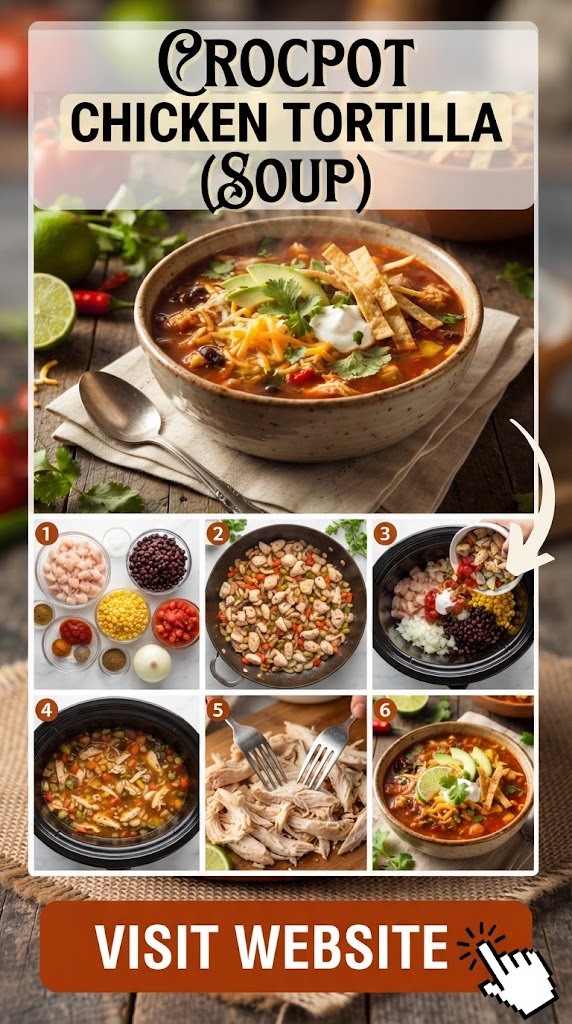

Slow Cooker Chicken Vegetable (Soup)
There is a universal language spoken through the steam rising from a ceramic bowl. It is a language of warmth, recovery, and home. Slow cooker chicken vegetable soup is not merely a recipe; it is a culinary embrace that has sustained generations. In an era of high-speed living and instant gratification, the slow cooker stands as a silent rebel in the kitchen, proving that some things—the best things—simply cannot be rushed.
This comprehensive guide explores every facet of creating the perfect slow cooker chicken vegetable soup. From the selection of the bird to the precise timing of the aromatics, we will delve into the chemistry, the nutrition, and the sheer joy of this quintessential dish.
The Philosophy of Slow Cooking
Slow cooking, or “braising” in a modern electric vessel, is a method that transforms humble ingredients into something extraordinary. When you place chicken and vegetables in a slow cooker, you are initiating a gentle thermal process. Unlike the violent boil of a stovetop pot, the slow cooker maintains a consistent, low temperature.
This low heat allows the connective tissues in the chicken (collagen) to break down slowly into gelatin. This is the secret to that “silky” mouthfeel that separates a mediocre soup from a world-class one. Simultaneously, the cell walls of the vegetables soften without disintegrating, allowing their natural sugars to mingle with the savory proteins of the meat.
Selecting Your Ingredients: The Building Blocks of Flavor
A soup is only as good as its weakest link. To achieve a result that tastes like it came from a professional kitchen, you must be discerning with your choices.
The Chicken: Breast vs. Thigh
The eternal debate in chicken soup circles revolves around the cut of meat.
- Chicken Thighs (Recommended): Thighs are the “gold standard” for slow cooking. They contain more fat and connective tissue, which means they remain succulent and tender even after eight hours of cooking. They provide a deeper, richer flavor to the broth.
- Chicken Breasts: If you prefer a leaner soup, breasts are an option. However, they can become “stringy” if cooked too long. To avoid this, consider adding them halfway through the cooking process or poaching them whole and shredding them at the very end.
The Holy Trinity: Mirepoix
The foundation of almost every great Western soup is the mirepoix—a mixture of onions, carrots, and celery.
- Onions: Use yellow or white onions for their high sugar content, which sweetens the broth.
- Carrots: Provide color and a subtle earthy sweetness.
- Celery: Adds a salty, herbal undertone that is essential for that classic “canned soup” nostalgia but with fresh integrity.
The Supporting Cast of Vegetables
While the trinity is essential, the beauty of chicken vegetable soup lies in its versatility.
- Potatoes: Use waxy varieties like Yukon Gold or Red Bliss. They hold their shape better than starchy Russets.
- Garlic: Never skip the garlic. Use fresh cloves, smashed or minced, to add depth.
- Green Beans or Peas: These add a pop of color. Add them in the last 30 minutes to prevent them from turning gray.
- Leafy Greens: Spinach or kale added at the very end provides a nutritional boost and a vibrant aesthetic.
The Liquid Gold: Broth and Stock
While the chicken will create its own juices, you need a base.
- Bone Broth: If you have access to it, bone broth provides more protein and a richer texture.
- Low-Sodium Chicken Stock: This gives you control over the salt levels. You can always add salt, but you can’t take it away.
The Master Recipe: Step-by-Step Instructions
To create a soup that resonates with flavor, follow this meticulous process.
Ingredients List
- 2 lbs Bone-in, skinless chicken thighs (for maximum flavor)
- 4 cups Low-sodium chicken broth
- 2 cups Filtered water
- 3 Large carrots, sliced into rounds
- 3 Stalks celery, sliced
- 1 Large yellow onion, diced
- 4 Cloves garlic, minced
- 1.5 lbs Yukon Gold potatoes, cubed
- 1 tsp Dried thyme
- 1 tsp Dried oregano
- 2 Bay leaves
- 1 tsp Sea salt (adjust to taste)
- 1/2 tsp Cracked black pepper
- 1 cup Frozen peas
- Fresh parsley for garnish
Phase 1: The Prep
Success in slow cooking starts before you turn the machine on.
- Sear the Chicken (Optional but highly recommended): In a skillet over medium-high heat, sear the chicken thighs for 3 minutes per side. This creates the “Maillard reaction”—the browning of sugars and proteins that adds a complex, roasted flavor to the final soup.
- Layer the Aromatics: Place the onions, garlic, carrots, and celery at the bottom of the slow cooker. This places the hardier vegetables closest to the heat source.
Phase 2: The Assembly
- Place the seared chicken on top of the vegetables.
- Add the cubed potatoes around the chicken.
- Sprinkle the dried herbs (thyme, oregano, bay leaves) and the salt/pepper over the top.
- Pour in the broth and water until the ingredients are just submerged. Do not overfill; you want a concentrated flavor.
Phase 3: The Slow Simmer
- Low Setting: 6 to 8 hours. This is the preferred method for the best texture.
- High Setting: 3 to 4 hours. Use this if you are in a time crunch, though the chicken may be slightly less tender.
Phase 4: The Finishing Touches
- Shred the Meat: Remove the chicken thighs from the pot. Remove any bones. Using two forks, shred the meat into bite-sized pieces.
- The Green Phase: Stir the shredded chicken back into the pot. Add the frozen peas and any leafy greens you desire.
- The Final Seasoning: Taste the broth. This is the most important step. Does it need more salt? A squeeze of lemon juice? A dash of hot sauce? Adjust until it sings.
The Science of Flavor Extraction
Why does slow cooker soup taste better the next day? This is due to a process called “flavor melding.” As the soup cools, the aromatic molecules in the herbs and spices continue to diffuse through the liquid. The proteins in the chicken also continue to absorb the seasoned broth.
Furthermore, the “Umami” factor is critical. Umami is the fifth taste, often described as savory or meaty. By using bone-in chicken and allowing it to simmer for hours, you are extracting glutamates—the natural chemicals that signal “deliciousness” to our brains.
Nutritional Powerhouse: Why This Soup Heals
The adage that chicken soup is “Jewish Penicillin” isn’t just a myth; there is science behind the healing properties of this dish.
1. Hydration and Electrolytes
The broth provides essential fluids and salt, which are crucial when the body is fighting an infection or recovering from a workout.
2. Anti-Inflammatory Properties
Studies have suggested that chicken soup may inhibit the migration of neutrophils—white blood cells that participate in the body’s inflammatory response. By slowing this down, the soup may reduce upper respiratory cold symptoms.
3. Amino Acids
Chicken is rich in cysteine, an amino acid that is chemically similar to the drug acetylcysteine, used to treat bronchitis and other lung problems.
4. Bioavailable Vitamins
Because the vegetables are cooked in the liquid that you eventually consume, very few vitamins are lost. The Vitamin A from carrots, Vitamin C from the aromatics, and potassium from the potatoes all stay within the bowl.
Advanced Variations: Taking it Globally
Once you have mastered the classic version, you can experiment with regional variations to keep your meal rotation exciting.
The Mediterranean Twist
Add a can of drained chickpeas, a jar of roasted red peppers, and a tablespoon of smoked paprika. Finish with a handful of kalamata olives and feta cheese before serving.
The Southwest Spirit
Swap the potatoes for black beans and corn. Season with cumin, chili powder, and coriander. Serve with avocado slices, a squeeze of lime, and crushed tortilla chips.
The Asian-Inspired Infusion
Use ginger and lemongrass instead of thyme and oregano. Swap the potatoes for bok choy and shiitake mushrooms. Finish with a splash of soy sauce and sesame oil.
The French “Poule-au-Pot” Style
Add leeks instead of onions and use a generous amount of fresh tarragon at the end. A splash of dry white wine added at the beginning of the cooking process adds an elegant acidity.
Troubleshooting Common Issues
Even the simplest recipes can have pitfalls. Here is how to fix common slow cooker soup problems.
Problem: The Broth is Bland
- Fix: You likely need more salt or acid. Add a teaspoon of apple cider vinegar or lemon juice. The acidity brightens the heavy savory notes. Alternatively, stir in a teaspoon of “Better Than Bouillon” or a similar concentrated base.
Problem: The Vegetables are Mushy
- Fix: Next time, cut your vegetables into larger chunks. Also, ensure you are using waxy potatoes rather than starchy ones. If using zucchini or squash, only add them in the last 45 minutes.
Problem: The Soup is Too Thin
- Fix: If you prefer a heartier, thicker consistency, take a cup of the potatoes and broth out of the cooker, blend them until smooth, and stir them back in. This creates a natural thickener without needing flour or cornstarch.
Problem: Greasy Film on Top
- Fix: If you used skin-on chicken or particularly fatty thighs, you might have excess oil. Use a wide spoon to skim the surface, or if you have time, refrigerate the soup; the fat will solidify on top, making it easy to remove.
Pairing Suggestions: What to Serve with Your Soup
A great soup deserves a great companion.
- The Classic Bread: A crusty sourdough loaf or a warm baguette is perfect for mopping up the last drops of broth.
- The Salad: A bitter green salad (arugula or radicchio) with a light vinaigrette provides a crisp contrast to the warm, soft soup.
- The Gourmet Grilled Cheese: Use sharp cheddar and a smear of Dijon mustard on thick-cut brioche for a luxurious side.
Storage and Meal Prep Excellence
Slow cooker chicken vegetable soup is a meal prepper’s dream. It scales easily and stores beautifully.
Refrigeration
Store the soup in airtight containers for up to 4 days. In fact, it often tastes better on day two.
Freezing
This soup freezes exceptionally well.
- Pro Tip: Leave about an inch of “headspace” in your containers, as the liquid will expand when frozen.
- Avoid: If you plan on freezing, consider leaving the potatoes out or undercooking them slightly, as they can sometimes become grainy after thawing.
- Duration: It will stay fresh in the freezer for up to 3 months.
Reheating
Reheat on the stovetop over medium heat to maintain the texture of the vegetables. If using a microwave, cover the bowl with a damp paper towel to keep the chicken moist.
The Ethics of Ingredients: Organic and Local
In today’s culinary landscape, where our food comes from matters. When making a dish that is so centered on health and wellness, consider the following:
- Pasture-Raised Chicken: These birds often have a more complex flavor and a higher ratio of Omega-3 fatty acids.
- Seasonal Vegetables: Buying carrots or leeks from a local farmer’s market ensures that the produce was harvested at its peak nutrient density.
- Filtered Water: Since water makes up a large percentage of the soup, using filtered water ensures no chlorine or mineral “off-flavors” interfere with the delicate aromatics.
The Role of Herbs: Fresh vs. Dried
In slow cooking, the timing of herbs is crucial.
- Dried Herbs (Thyme, Oregano, Bay Leaves): These should be added at the beginning. They need the long, slow heat to release their volatile oils.
- Fresh Herbs (Parsley, Cilantro, Dill, Basil): These should only be added in the final minutes or as a garnish. Long cooking times turn fresh herbs bitter and gray.
A Cultural History of the Chicken Soup
While we often think of chicken soup as a Western staple, almost every culture has a version.
- China: Ji Tang is often infused with ginger and goji berries, focusing on the clarity of the broth.
- Mexico: Caldo de Pollo includes large chunks of corn on the cob and chayote, served with rice.
- Vietnam: Phở Gà uses charred onions and star anise for a fragrant, aromatic experience.
The slow cooker version we discuss here is a descendant of the European “Pot-au-Feu,” a method of keeping a pot simmering on the hearth all day, adding ingredients as they became available. It represents the transition from the hearth to the modern countertop.
Conclusion: More Than a Meal
The Slow Cooker Chicken Vegetable Soup is a testament to the power of simplicity. It requires no advanced culinary degrees, no expensive equipment beyond a basic slow cooker, and no exotic ingredients. Yet, it provides a level of satisfaction that few other dishes can match.
It is a dish for the tired worker coming home to a house that smells of rosemary and garlic. It is a dish for the sick child who needs a gentle path back to health. It is a dish for the Sunday meal prepper looking to nourish their family throughout a busy week.
By following the techniques outlined in this guide—searing your meat, layering your aromatics, and respecting the “low and slow” philosophy—you are doing more than just making dinner. You are preserving a tradition of care, one bowl at a time. So, dust off your slow cooker, chop your mirepoix with intention, and let the slow, steady heat transform your kitchen into a sanctuary of flavor.