
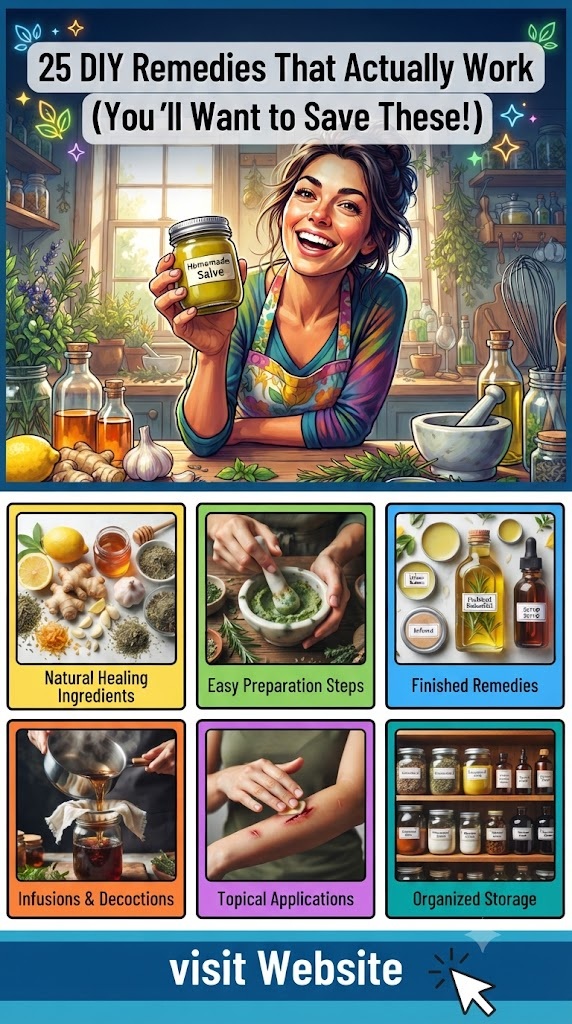
The Best DIY Remedies for Everyday Health Problems
Nature’s Pharmacy: The Ultimate Guide to DIY Remedies for Everyday Health Problems
In an era dominated by synthetic pharmaceuticals and over-the-counter quick fixes, there is a burgeoning movement returning to the roots of human health: the kitchen and the garden. For thousands of years, humanity relied on the botanical world to soothe aches, clear respiratory tracts, and calm digestive storms. Today, science is increasingly validating what our ancestors knew instinctively—that nature provides a potent toolkit for maintaining wellness.
This comprehensive guide explores the most effective, science-backed DIY remedies for everyday health problems. From the potent anti-inflammatory properties of turmeric to the antiviral strength of elderberry, we will provide detailed recipes, step-by-step instructions, and the “why” behind every remedy.
Part 1: Digestive Health – Calming the Core
The gut is often referred to as the “second brain.” When digestion is off, everything feels off. These remedies target common issues like bloating, acid reflux, and nausea.
1. The Ultimate Ginger-Lemon-Honey Digestive Tonic
Ginger contains gingerols and shogaols, compounds that stimulate digestive enzymes and speed up the movement of food from the stomach to the small intestine.
Best for: Nausea, indigestion, and bloating.
The Recipe:
- Ingredients: 2 inches of fresh ginger root (sliced thin), 1 organic lemon (juiced), 1 tablespoon raw Manuka or local honey, 2 cups filtered water.
- Instructions:
- Bring the water to a gentle boil in a small saucepan.
- Add the sliced ginger and simmer for 10–15 minutes. The longer it simmers, the more potent the spice.
- Strain the liquid into a mug.
- Allow it to cool slightly (boiling water can kill the beneficial enzymes in honey).
- Stir in the lemon juice and honey.
- How to use: Sip slowly 20 minutes before or after a heavy meal.
2. Apple Cider Vinegar (ACV) “Fire Starter” for Acid Reflux
Counterintuitively, many cases of acid reflux are caused by too little stomach acid, not too much. ACV helps balance the pH of the stomach.
Best for: Heartburn and slow digestion.
The Recipe:
- Ingredients: 1 tablespoon raw, unfiltered Apple Cider Vinegar (with “The Mother”), 4 ounces of room-temperature water.
- Instructions:
- Mix the ACV into the water. Never drink ACV straight, as it can erode tooth enamel and burn the esophagus.
- How to use: Drink through a straw (to protect teeth) about 5–10 minutes before eating.
Part 2: Respiratory Relief – Breathing Easy
Seasonal allergies, the common cold, and sinus congestion can be debilitating. These DIY remedies focus on clearing mucus and soothing inflamed tissues.
1. Homemade Elderberry Syrup (The Antiviral Powerhouse)
Elderberries are packed with antioxidants and vitamins that may boost the immune system. Studies suggest they can shorten the duration of the flu and cold.
Best for: Preventing and treating colds/flu.
The Recipe:
- Ingredients: 1 cup dried black elderberries, 4 cups water, 2 tablespoons fresh ginger (grated), 1 teaspoon cinnamon powder, ½ teaspoon ground cloves, 1 cup raw honey.
- Instructions:
- Combine elderberries, water, ginger, cinnamon, and cloves in a pot.
- Bring to a boil, then cover and reduce to a simmer for about 45 minutes to an hour, or until the liquid has reduced by half.
- Remove from heat and let cool.
- Mash the berries to release all the juice, then strain through a fine-mesh sieve or cheesecloth.
- Once the liquid is lukewarm, stir in the raw honey.
- Pour into a glass jar and store in the refrigerator.
- How to use: Take 1 tablespoon daily for immune support, or 1 tablespoon every 3–4 hours if you feel a cold coming on.
2. Eucalyptus and Peppermint Steam Inhalation
Steam helps loosen mucus, while the menthol in peppermint and the eucalyptol in eucalyptus act as natural decongestants.
Best for: Sinus congestion and head colds.
The Recipe:
- Ingredients: A large bowl of boiling water, 3 drops of Eucalyptus globulus essential oil, 2 drops of Peppermint essential oil.
- Instructions:
- Place the bowl on a stable table.
- Add the essential oils to the steaming water.
- Drape a large towel over your head and the bowl, creating a “tent.”
- Close your eyes (essential oils can sting) and breathe deeply through your nose for 5–10 minutes.
Part 3: Pain and Inflammation – The Natural Aspirin
Chronic inflammation is the root of many modern ailments. Using natural analgesics can reduce the reliance on NSAIDs, which can be hard on the stomach and kidneys.
1. Turmeric “Golden Milk” Latte
Turmeric contains curcumin, a powerful anti-inflammatory. However, curcumin is poorly absorbed unless paired with black pepper (piperine) and a healthy fat.
Best for: Joint pain, arthritis, and general systemic inflammation.
The Recipe:
- Ingredients: 1 cup unsweetened almond or coconut milk, 1 teaspoon turmeric powder, ½ teaspoon cinnamon, a pinch of ground black pepper, 1 teaspoon coconut oil or ghee, 1 teaspoon maple syrup or honey.
- Instructions:
- Whisk all ingredients in a small saucepan over medium heat.
- Heat until steaming but not boiling.
- Use a frother for a creamy texture if desired.
- How to use: Drink every night before bed. The anti-inflammatory effects are cumulative.
2. Cayenne Pepper Salve for Sore Muscles
Capsaicin, the heat-producing compound in chili peppers, sends signals to the brain that help “shut off” pain receptors in the affected area.
Best for: Muscle aches, back pain, and stiff joints.
The Recipe:
- Ingredients: ½ cup coconut oil, 2 tablespoons cayenne pepper powder, ½ ounce beeswax pellets.
- Instructions:
- Melt the coconut oil in a double boiler.
- Stir in the cayenne pepper and let it infuse on very low heat for 2 hours.
- Strain the oil through a cheesecloth (be very careful not to touch your eyes!).
- Return the oil to the double boiler and add the beeswax until melted.
- Pour into a tin or glass jar and let it solidify.
- How to use: Rub a small amount onto the pained area. Wash hands immediately after use. Warning: Do not use on broken skin.
Part 4: Skin and Topical Solutions
The skin is our largest organ and absorbs much of what we put on it. These DIY solutions use food-grade ingredients to heal and protect.
1. The “Liquid Gold” Honey and Cinnamon Acne Mask
Raw honey is antibacterial, while cinnamon has antimicrobial properties that can help kill the bacteria that cause breakouts.
Best for: Acne-prone skin and minor skin infections.
The Recipe:
- Ingredients: 2 tablespoons raw Manuka honey, 1 teaspoon true Ceylon cinnamon.
- Instructions:
- Mix the ingredients into a thick paste.
- How to use: Apply as a spot treatment or a full face mask. Leave on for 10–15 minutes, then rinse with warm water.
2. Colloidal Oatmeal Soaking Bath
Oatmeal contains fats and sugars that moisturize the skin, as well as avenanthramides, which are potent anti-inflammatory chemicals.
Best for: Eczema, sunburn, and poison ivy.
The Recipe:
- Ingredients: 1 cup of plain, organic rolled oats.
- Instructions:
- Use a blender or food processor to grind the oats into an extremely fine powder. To test it, stir a spoonful into a glass of water; it should turn the water milky and stay suspended.
- Sprinkle the powder into a bathtub as it fills with lukewarm water.
- How to use: Soak for 15–20 minutes. Pat skin dry gently; do not rub.
Part 5: Sleep and Stress – Modern Man’s Antidote
In a high-cortisol world, finding ways to downregulate the nervous system is essential for longevity.
1. Magnesium “Sleep” Spray
Magnesium is a mineral responsible for over 300 biochemical reactions in the body, including the regulation of neurotransmitters that calm the nervous system. Transdermal (through the skin) absorption is often more effective than oral supplements for some.
Best for: Insomnia, restless leg syndrome, and anxiety.
The Recipe:
- Ingredients: ½ cup Magnesium Chloride flakes, ½ cup distilled water, 10 drops of Lavender essential oil.
- Instructions:
- Boil the distilled water.
- Place the magnesium flakes in a glass bowl and pour the boiling water over them.
- Stir until dissolved.
- Once cool, add the lavender oil and pour into a glass spray bottle.
- How to use: Spray 5–10 times onto the soles of your feet or your stomach before bed. Note: A slight tingling sensation is normal during the first few uses.
2. Lemon Balm and Chamomile Nervous System Tea
Lemon balm is a member of the mint family known for its “nervine” properties, meaning it directly supports the nervous system.
Best for: Panic attacks, general anxiety, and difficulty falling asleep.
The Recipe:
- Ingredients: 1 tablespoon dried lemon balm, 1 tablespoon dried chamomile flowers, 1 teaspoon dried skullcap (optional), 8 ounces water.
- Instructions:
- Steep the herbs in hot water for at least 10 minutes, covered (this keeps the volatile oils in the tea).
- How to use: Drink 1 hour before sleep or during periods of high stress.
Part 6: The “Master” Remedy – Traditional Fire Cider
If you were to make only one DIY remedy, let it be Fire Cider. This traditional apple cider vinegar tonic is infused with powerful “hot” herbs that act as a broad-spectrum health booster.
Best for: Total immune support, circulation, and congestion.
The Recipe:
- Ingredients:
- ½ cup grated fresh horseradish root
- ½ cup grated fresh ginger root
- 10 cloves of garlic, smashed
- 1 medium onion, chopped
- 2 jalapeño peppers, sliced
- 1 lemon (zested and juiced)
- 1 tablespoon turmeric powder
- Raw Apple Cider Vinegar (enough to cover)
- Raw honey (to taste)
- Instructions:
- Place all chopped/grated ingredients into a quart-sized glass jar.
- Pour the ACV over the ingredients until they are completely submerged.
- Use a piece of parchment paper under the metal lid (to prevent the vinegar from corroding the metal).
- Store in a cool, dark place for 4 weeks, shaking daily.
- After 4 weeks, strain the mixture through a cheesecloth, squeezing out every bit of liquid.
- Add honey to the liquid until it reaches your desired balance of spicy, sour, and sweet.
- How to use: Take 1 shot glass daily during winter months, or use it as a base for salad dressings.
Part 7: Understanding the Science of Extraction
To be successful with DIY remedies, one must understand how to extract the “medicine” from the plant.
1. Infusions vs. Decoctions
- Infusions: This is essentially “tea.” It is used for delicate parts of the plant like leaves and flowers (e.g., Peppermint, Chamomile). You pour hot water over the herb and let it steep.
- Decoctions: This is for tougher plant materials like roots, bark, and berries (e.g., Ginger, Elderberries). These must be simmered in water for a longer period to break down the cellular walls and release the active compounds.
2. Tinctures
Tinctures use alcohol (or glycerin) to extract medicinal properties. Alcohol is a stronger solvent than water and can extract resins and alkaloids that water cannot. Most DIY tinctures use 80-proof vodka.
3. Salves and Infused Oils
By soaking herbs in a carrier oil (like olive or jojoba) for several weeks, you extract oil-soluble compounds. This is the basis for most natural skin care and pain-relief rubs.
Part 8: Essential Safety Guidelines
While natural remedies are generally safer than pharmaceuticals, they are not without risk.
- Quality of Ingredients: Always use organic ingredients where possible. Pesticides concentrated in a tincture or tea can be harmful.
- Essential Oil Safety: Essential oils are highly concentrated. Never ingest them unless under the guidance of a clinical aromatherapist. Always dilute them in a carrier oil before applying to the skin.
- Contraindications:
- Turmeric/Ginger: Can thin the blood; avoid before surgery or if on blood thinners.
- Elderberry: May over-stimulate the immune system in those with autoimmune diseases.
- Honey: Never give to infants under 12 months due to the risk of botulism.
- Listen to Your Body: If a remedy causes a rash, stomach upset, or worsens symptoms, stop immediately.
Part 9: Building Your Home Apothecary
Starting a DIY health journey requires a few staple items. If you stock these, you can handle 90% of everyday ailments:
- Dry Herbs: Peppermint, Chamomile, Lavender, Calendula, Nettle.
- Spices: Turmeric, Cinnamon, Cayenne, Cloves, Ginger powder.
- Liquids: Raw Apple Cider Vinegar, Raw Honey, Witch Hazel, Castor Oil, Coconut Oil.
- Essential Oils: Peppermint, Eucalyptus, Tea Tree, Lavender.
- Supplies: Glass amber jars, cheesecloth, a fine-mesh strainer, and a kitchen scale.
Conclusion: Empowerment Through Nature
The shift toward DIY remedies is more than just a trend; it is a reclamation of personal sovereignty over our health. By learning to make your own elderberry syrup or fire cider, you reduce your dependence on complex supply chains and synthetic chemicals. You begin to see the world differently—not just as scenery, but as a vast, living pharmacy.
Every time you choose a ginger tea over an antacid, or a magnesium soak over a sedative, you are honoring the biological wisdom of your body. Start small, document your results, and slowly build your repertoire of natural cures. Health is not just the absence of disease; it is the presence of vitality, and nature is the most seasoned partner you can have on that journey.
SEO Keywords: Natural remedies for beginners, DIY home cures, herbal medicine recipes, how to make elderberry syrup, ginger for digestion, turmeric for joint pain, home remedies for acid reflux, natural sleep aids, DIY fire cider recipe.